General Contractor: Your Recommended Expert for Home Tasks
A general contractor executes an vital role in home projects. They coordinate numerous aspects of construction, ensuring that work advances without issues. Their proficiency in construction standards and requirements enables them to work through the difficulties of permits and examinations. This expert acts as an essential connection between clients and trade specialists. However, many homeowners feel unsure about the full extent of their work offerings. Learning about these details can greatly affect the achievement of any renovation project.
What Tasks Does a General Contractor Accomplish?
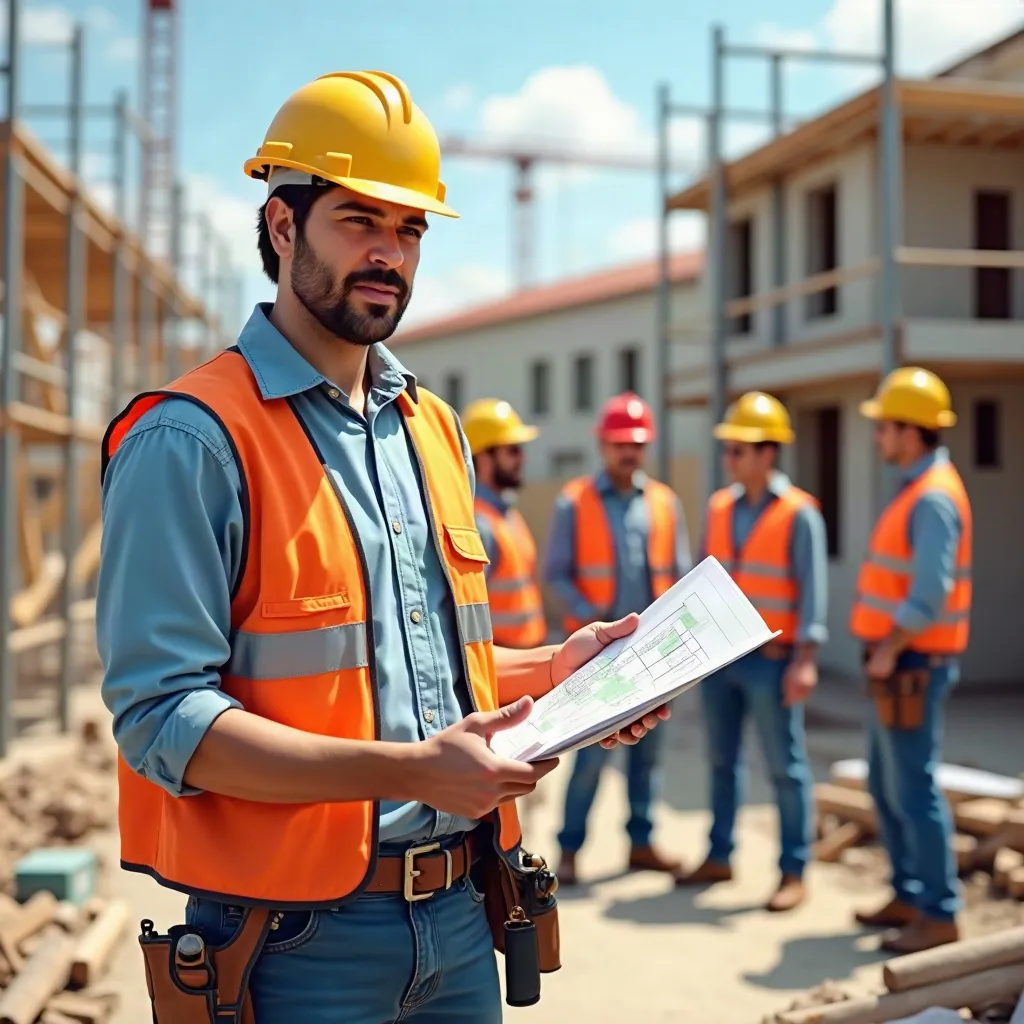
A general contractor directs the various elements of a informative guide construction project, ensuring that everything runs smoothly from start to finish. They serve as the primary point of contact, managing correspondence between customers, subcontractors, and suppliers. This role involves developing the construction schedule, organizing labor, and maintaining compliance with regional construction standards and requirements.
General contractors are responsible for acquiring required licenses and arranging inspections, which are essential to maintaining safety and quality standards. They also manage budgeting, sourcing materials, and managing on-site activities to mitigate any potential delays or issues. In addition, they supervise subcontractors, making sure that each phase of construction conforms to project specifications and timelines. Overall, a general contractor's expertise and organizational skills are essential to completing a successful construction project, turning a client's vision into reality while managing multiple duties and obligations.
Advantages of Working with a General Contractor for Home Updates
Hiring a general contractor for residential remodeling provides many benefits that can greatly enhance the efficiency and quality of the undertaking. Professional contractors bring expertise in managing projects, making sure deadlines are achieved and funds are distributed effectively. Their established relationships with subcontractors can result in improved rates and excellent craftsmanship, which ultimately saves homeowners both money and time.
Additionally, construction professionals coordinate the detailed aspects of documentation and quality checks, minimizing likely regulatory complications. They also provide a single point of contact, streamlining communication and coordination among various trades. This streamlining diminishes the risk of misunderstandings and delays.
Moreover, their experience allows them to foresee potential challenges, enabling proactive solutions to maintain the project on track. By retaining a general contractor, homeowners can prioritize their vision while enjoying peace of mind, knowing that a professional is overseeing every aspect of the renovation.
Dispelling False Beliefs Surrounding General Contractors
While many property owners may hold false beliefs about contracting professionals, understanding the truths can lead to more informed decisions. One prevalent myth is that hiring a contractor is not needed for small projects; however, their expertise can simplify even minor renovations, ensuring adherence with local codes. Another frequent belief is that contractors are merely middlemen, but they often possess broad knowledge in multiple areas, enabling them to manage projects effectively. Additionally, some homeowners think that working with a contractor will considerably inflate costs. In truth, a skilled contractor can often secure better rates for materials and labor due to strong relationships with vendors and subcontractors. Finally, many believe that general contractors are inflexible, but trusted contractors prioritize client communication and collaborate closely to meet specific needs. Dispelled myths can empower homeowners to leverage the real value of general contractors in achieving successful home projects.
Identifying the Best General Contractor?
How can homeowners ensure they choose the right construction professional for their jobs? The process begins with thorough research. Homeowners should obtain suggestions from friends, family, and online reviews to find potential candidates. Once a compilation is created, verifying credentials, such as licensing, insurance, and bonding, is essential to verify legitimacy.
Next, property owners should request and review collections of previous work, focusing on assignments of comparable size. Setting up interviews allows property owners to assess fit, covering timelines, budgets, and expectations. It's also advisable to obtain multiple quotes for evaluation, offering a clear understanding of costs.
Reviewing references provides insight into a contractor's dependability and expertise. Ultimately, relying on your gut feeling is crucial; an first consultation can reveal much about a contractor's way of communicating and methodology. By following these steps, homeowners can substantially improve their chances of selecting a general contractor who matches their project needs and vision.
Best Interaction Approaches When Working With Your General Contractor
What strategies can homeowners employ to confirm effective communication with their general contractor? Setting up transparent discussion from the beginning is critical. Homeowners should distinctly express their goals, project goals, and spending restrictions during preliminary talks. Frequent communications can be facilitated through arranged conferences, making certain that both parties remain in sync throughout the project.
Applying written documentation, such as emails or project logs, reinforces verbal agreements and minimizes confusion. Homeowners should likewise encourage transparent dialogue by welcoming feedback and questions from the contractor, establishing a cooperative setting.
Moreover, utilizing technology, including project management apps, can improve communication by offering a unified platform for sharing updates, timelines, and changes. Finally, remaining courteous and approachable can enhance rapport, making it simpler for the contractor to convey challenges or suggestions effectively. By employing these strategies, homeowners can develop a efficient and open partnership with their general contractor.
Things to Understand When Your Project Starts?
As the work commences, homeowners can look forward to a rush of activity on-site. The lead contractor will coordinate teams of skilled tradespeople, including electricians, plumbers, and carpenters, who will begin their responsibilities per the set schedule. Homeowners may witness equipment and goods being delivered, creating a bustling feel.
Communication stays vital during this phase. The contractor will provide updates on advancement and handle any concerns that occur. Homeowners should prepare for potential interruptions, such as noise and restricted access to certain areas of the home.
Safety measures will be in place to protect both workers and residents, guaranteeing a secure setting. Additionally, homeowners may be prompted to maintain flexibility, as unexpected problems can arise, requiring adjustments to the original plan. Overall, this initial phase lays the groundwork for the successful completion of the project, and active participation is essential.
Basic Questions for Your Overall Contractor Agreement?
Deciding which queries to ask when finalizing a general contractor agreement is critical for guaranteeing a trouble-free project. Homeowners should ask about the contractor's credentials and coverage to confirm their qualifications and protection against risks. Understanding the project deadlines and phases is significant; therefore, asking about expected completion dates helps manage expectations.
It is also paramount to communicate payment terms, like deposit amounts and payment plans, to forestall misconceptions. Home purchasers should procure a detailed breakdown of costs, featuring materials and labor, to copyright accountability. In addition, engaging in discussion about the system for handling changes or unforeseen issues can avert disagreements subsequently.
To wrap up, property owners should find out about the experience of subcontractors, as well as the contractor's communication strategy throughout the project. By tackling these questions, property owners can nurture a productive relationship with their general contractor, ultimately facilitating a successful home project.
Often Requested FAQs
In What Fashion Do General Contractors Request Payment for Their Services?
Contractors generally levy charges via flat fees, time-based rates, or a share of the complete project budget. Their pricing structure may also include materials, workforce costs, and running costs, contingent on the scope and difficulty of the work.
Can a General Contractor Offer Support With Permits and Inspections?
Yes, a general contractor can help with securing permits and managing inspections. They typically navigate local regulations and ensure compliance, streamlining the process for homeowners while facilitating necessary authorizations throughout the construction project.
What Attributes Should I Hunt for in a General Contractor?
When appointing a general contractor, one should analyze professional attributes such as current licensing, insurance, experience in relevant projects, strong references, and effective communication skills, ensuring they possess the necessary expertise to manage the project as planned.
What is the Duration of a Average Home Remodeling Project?
A typical home renovation project can require anywhere from a few weeks to several months, depending on the scale, intricacy, and size of the project, as well as the accessibility of materials and labor.
What Happens if My Undertaking Exceeds Cost Allowance?
If a project exceeds the budget, the contractor typically discusses the reasons and options with the property owner. Adjustments may include reducing scope, seeking additional funding, or revising the project scope to align with financial limits.